How to Avoid Problems of the Sub-Entry Nozzle (SEN) in Continuous Casting

Quote from hyrefractory on December 18, 2025, 03:321. Introduction
The Sub-Entry Nozzle (SEN) is a critical functional refractory component in the continuous casting process of steel. Positioned between the tundish and the mold, the SEN controls the flow of molten steel into the mold cavity while protecting the steel stream from secondary oxidation and regulating flow patterns to ensure stable solidification. Despite its relatively small size compared to other casting equipment, the SEN has a disproportionate influence on casting quality, productivity, and safety.
Problems associated with the SEN—such as clogging, erosion, cracking, air aspiration, and abnormal flow behavior—can lead to severe operational consequences, including mold level fluctuation, inclusion entrapment, breakout accidents, surface and internal defects, and unplanned casting interruptions. Therefore, understanding how to avoid SEN-related problems is of paramount importance for steelmakers.
This article provides a systematic and technical discussion of the major SEN problems, their root causes, and practical measures to prevent or mitigate these issues through material selection, design optimization, steel cleanliness control, operational practices, and maintenance management.
2. Typical Problems of the Sub-Entry Nozzle
Before discussing preventive strategies, it is necessary to understand the main categories of SEN problems encountered in industrial practice:
- Clogging and partial blockage
- Chemical and mechanical erosion
- Thermal cracking and spalling
- Air aspiration and reoxidation
- Unstable or asymmetric flow pattern
- Premature SEN breakage or leakage
Each of these problems has distinct mechanisms but is often interconnected with others.
3. Avoiding SEN Clogging
3.1 Mechanism of SEN Clogging
SEN clogging is the most common and troublesome problem in continuous casting, particularly for Al-killed steels. Clogging mainly results from:
- Deposition of alumina (Al₂O₃) inclusions on the inner bore
- Reaction between molten steel and SEN refractory
- Steel reoxidation due to air aspiration
- Precipitation of complex oxides (e.g., Al₂O₃–CaO–MgO spinels)
As deposits accumulate, the effective flow area is reduced, leading to flow instability, mold level fluctuation, and eventually casting interruption.
3.2 Material Optimization
To reduce clogging, SEN materials must exhibit excellent non-wettability and chemical stability:
- Al₂O₃–C with low wettability is widely used due to its resistance to steel penetration.
- ZrO₂ inserts in the bore region improve resistance to chemical attack and reduce inclusion adhesion.
- Anti-clogging additives, such as BN or special oxide modifiers, can further reduce alumina adhesion.
3.3 Steel Cleanliness Control
Steel composition and cleanliness have a direct impact on clogging tendency:
- Optimize calcium treatment to modify solid Al₂O₃ inclusions into liquid calcium aluminates.
- Control total oxygen (T.O.) levels in the tundish.
- Avoid excessive aluminum pickup during secondary metallurgy.
3.4 Operational Measures
- Maintain stable casting speed to prevent flow stagnation.
- Use argon gas injection through the SEN wall or stopper rod to suppress inclusion deposition.
- Avoid sudden temperature drops that promote oxide precipitation.
4. Preventing SEN Erosion
4.1 Erosion Mechanisms
SEN erosion occurs due to:
- High-velocity molten steel flow
- Chemical dissolution of refractory phases
- Mechanical wear from turbulent flow and inclusion impact
Severe erosion changes the internal geometry of the SEN, leading to asymmetric flow and increased inclusion entrapment.
4.2 Design Optimization
- Optimize port angle and port shape (e.g., well-rounded edges) to reduce local turbulence.
- Increase wall thickness in high-wear zones.
- Apply ZrO₂-reinforced inserts in the port and slag line regions.
4.3 Material Selection
- Use high-purity fused alumina or partially stabilized zirconia in critical zones.
- Reduce low-melting-point impurities such as SiO₂ and alkali oxides.
5. Avoiding Thermal Cracking and Spalling
5.1 Causes of Thermal Damage
Thermal cracking and spalling result from:
- Rapid temperature changes during preheating or casting start
- High thermal gradients between the SEN surface and core
- Inadequate thermal shock resistance of refractory materials
Cracks not only shorten SEN life but also allow steel penetration, accelerating failure.
5.2 Preheating Control
- Implement controlled and uniform preheating curves.
- Avoid localized flame impingement.
- Ensure sufficient soaking time to equalize temperature throughout the SEN body.
5.3 Material Improvements
- Use carbon-containing refractories with high thermal shock resistance.
- Optimize grain size distribution to improve fracture toughness.
- Introduce flexible bonding systems to absorb thermal stress.
6. Preventing Air Aspiration and Reoxidation
6.1 Mechanism of Air Aspiration
Air aspiration occurs when negative pressure develops inside the SEN due to high casting speed or improper sealing. This leads to:
- Reoxidation of molten steel
- Formation of new inclusions
- Accelerated SEN clogging
6.2 Structural and Assembly Measures
- Ensure tight connection between tundish well block, gasket, and SEN.
- Use high-quality refractory gaskets with good compressibility and sealing performance.
- Avoid misalignment during SEN installation.
6.3 Process Control
- Maintain adequate steel head in the tundish.
- Avoid excessive argon flow that may induce pressure fluctuations.
- Monitor oxygen pickup during casting as an indirect indicator of air aspiration.
7. Controlling Flow Pattern and Mold Hydrodynamics
7.1 Importance of Flow Control
Improper flow pattern caused by SEN design or wear can result in:
- Meniscus instability
- Inclusion entrapment
- Slag entrainment
- Surface defects such as slivers and oscillation marks
7.2 SEN Design Considerations
- Select appropriate port angle (typically 10°–25° downward) based on slab thickness and casting speed.
- Use two-port or multi-port designs to balance flow symmetry.
- Consider special designs such as swirl SENs to improve flow uniformity.
7.3 Monitoring and Adjustment
- Use mold level sensors and flow modeling results to optimize SEN parameters.
- Replace SENs showing severe internal deformation or erosion.
8. Extending SEN Service Life
8.1 Quality Control and Inspection
- Conduct dimensional and structural inspection before use.
- Reject SENs with visible cracks, density variation, or machining defects.
8.2 Proper Storage and Handling
- Store SENs in dry, temperature-stable environments.
- Avoid mechanical impact during transportation and installation.
8.3 Operational Discipline
- Avoid emergency casting conditions whenever possible.
- Train operators on correct SEN handling, installation, and replacement procedures.
9. Role of Simulation and Digital Tools
Advanced numerical simulation has become an important tool for avoiding SEN problems:
- CFD modeling helps predict flow patterns, erosion zones, and pressure distribution.
- Thermal stress analysis assists in optimizing preheating and material design.
- Data-driven monitoring enables early detection of abnormal SEN behavior.
Integrating simulation results with plant experience significantly enhances SEN reliability.
10. Conclusion
Avoiding problems of the Sub-Entry Nozzle requires a holistic and systematic approach that integrates refractory material engineering, SEN structural design, steel cleanliness control, and disciplined operational practices. No single measure can completely eliminate SEN-related issues; instead, success depends on coordinated optimization across the entire continuous casting process. selecting appropriate SEN materials, minimizing clogging mechanisms, controlling erosion and thermal damage, preventing air aspiration, and ensuring stable mold flow, steelmakers can significantly improve casting stability, product quality, and overall production efficiency. As continuous casting technology evolves, the role of the SEN will remain central, making ongoing innovation and process control essential for modern steel plants.
. Tundish Metering Nozzle&Zirconia Inserts
What Is The Composition Of Sub Entry Nozzle(SEN)
Ladle Shroud Gasket – Material, Function, Shape & Installation Guide
How to Use the Ladle Shroud Manipulator in Continuous Casting Operations
Operation procedure of dry material for induction furnace
Drawing design method and skill of ladle slide gate plate
slide gate plate test report In AK Middletown 225-ton ladle
Recycling slide gate plates to save costs and reduce waste
The top 5 ladle shroud manufacturers in China
The difference between magnesia carbon brick and aluminum magnesia carbon brick
Production and application of isostatically pressed refractory materials
New generation ladle slide gate system for performance improvement
Thermal Stress Cracking Of Ladle Slide Gate Plate
The Unseen Champion Of Continuous Steel Casting-Slide Gate
5 Key Factors Behind Ladle Shroud Cracking
How To Choose Ladle Shroud From A China Factory
A Few Things You Should Know About The Ladle Nozzle
Wear Reason About The Slide Gate Plate
Before Enquiry Some Questions You Should Know About Ladle Shroud - Henan Yangyu Refractories Co.,Ltd
The Iso Refractory Trial Report Compared With Vesuvius
The drawing regarding kinds of slide gate plate
Slide Gate Plate Price Guide 2025: Complete Pricing Analysis and Buying Tips
Complete Guide to Submerged Entry Nozzle (SEN) in Steel Making
What Is A Ladle Shroud And Its Function - Henan Yangyu Refractories Co.,Ltd
How To Improve The Lifespan Of Slide Gate Plates
The Reason Of Sub Entry Nozzle Clogging And How To Slove It
Why The Tundish Stopper Cracks And How To Improve It
How To Avoid The Sub Entry Nozzle(SEN) Clogging
1. Introduction
The Sub-Entry Nozzle (SEN) is a critical functional refractory component in the continuous casting process of steel. Positioned between the tundish and the mold, the SEN controls the flow of molten steel into the mold cavity while protecting the steel stream from secondary oxidation and regulating flow patterns to ensure stable solidification. Despite its relatively small size compared to other casting equipment, the SEN has a disproportionate influence on casting quality, productivity, and safety.
Problems associated with the SEN—such as clogging, erosion, cracking, air aspiration, and abnormal flow behavior—can lead to severe operational consequences, including mold level fluctuation, inclusion entrapment, breakout accidents, surface and internal defects, and unplanned casting interruptions. Therefore, understanding how to avoid SEN-related problems is of paramount importance for steelmakers.
This article provides a systematic and technical discussion of the major SEN problems, their root causes, and practical measures to prevent or mitigate these issues through material selection, design optimization, steel cleanliness control, operational practices, and maintenance management.
2. Typical Problems of the Sub-Entry Nozzle
Before discussing preventive strategies, it is necessary to understand the main categories of SEN problems encountered in industrial practice:
-
- Clogging and partial blockage
-
- Chemical and mechanical erosion
-
- Thermal cracking and spalling
-
- Air aspiration and reoxidation
-
- Unstable or asymmetric flow pattern
-
- Premature SEN breakage or leakage
Each of these problems has distinct mechanisms but is often interconnected with others.
3. Avoiding SEN Clogging
3.1 Mechanism of SEN Clogging
SEN clogging is the most common and troublesome problem in continuous casting, particularly for Al-killed steels. Clogging mainly results from:
-
- Deposition of alumina (Al₂O₃) inclusions on the inner bore
-
- Reaction between molten steel and SEN refractory
-
- Steel reoxidation due to air aspiration
-
- Precipitation of complex oxides (e.g., Al₂O₃–CaO–MgO spinels)
As deposits accumulate, the effective flow area is reduced, leading to flow instability, mold level fluctuation, and eventually casting interruption.
3.2 Material Optimization
To reduce clogging, SEN materials must exhibit excellent non-wettability and chemical stability:
-
- Al₂O₃–C with low wettability is widely used due to its resistance to steel penetration.
-
- ZrO₂ inserts in the bore region improve resistance to chemical attack and reduce inclusion adhesion.
-
- Anti-clogging additives, such as BN or special oxide modifiers, can further reduce alumina adhesion.
3.3 Steel Cleanliness Control
Steel composition and cleanliness have a direct impact on clogging tendency:
-
- Optimize calcium treatment to modify solid Al₂O₃ inclusions into liquid calcium aluminates.
-
- Control total oxygen (T.O.) levels in the tundish.
-
- Avoid excessive aluminum pickup during secondary metallurgy.
3.4 Operational Measures
-
- Maintain stable casting speed to prevent flow stagnation.
-
- Use argon gas injection through the SEN wall or stopper rod to suppress inclusion deposition.
-
- Avoid sudden temperature drops that promote oxide precipitation.
4. Preventing SEN Erosion
4.1 Erosion Mechanisms
SEN erosion occurs due to:
-
- High-velocity molten steel flow
-
- Chemical dissolution of refractory phases
-
- Mechanical wear from turbulent flow and inclusion impact
Severe erosion changes the internal geometry of the SEN, leading to asymmetric flow and increased inclusion entrapment.
4.2 Design Optimization
-
- Optimize port angle and port shape (e.g., well-rounded edges) to reduce local turbulence.
-
- Increase wall thickness in high-wear zones.
-
- Apply ZrO₂-reinforced inserts in the port and slag line regions.
4.3 Material Selection
-
- Use high-purity fused alumina or partially stabilized zirconia in critical zones.
-
- Reduce low-melting-point impurities such as SiO₂ and alkali oxides.
5. Avoiding Thermal Cracking and Spalling
5.1 Causes of Thermal Damage
Thermal cracking and spalling result from:
-
- Rapid temperature changes during preheating or casting start
-
- High thermal gradients between the SEN surface and core
-
- Inadequate thermal shock resistance of refractory materials
Cracks not only shorten SEN life but also allow steel penetration, accelerating failure.
5.2 Preheating Control
-
- Implement controlled and uniform preheating curves.
-
- Avoid localized flame impingement.
-
- Ensure sufficient soaking time to equalize temperature throughout the SEN body.
5.3 Material Improvements
-
- Use carbon-containing refractories with high thermal shock resistance.
-
- Optimize grain size distribution to improve fracture toughness.
-
- Introduce flexible bonding systems to absorb thermal stress.
6. Preventing Air Aspiration and Reoxidation
6.1 Mechanism of Air Aspiration
Air aspiration occurs when negative pressure develops inside the SEN due to high casting speed or improper sealing. This leads to:
-
- Reoxidation of molten steel
-
- Formation of new inclusions
-
- Accelerated SEN clogging
6.2 Structural and Assembly Measures
-
- Ensure tight connection between tundish well block, gasket, and SEN.
-
- Use high-quality refractory gaskets with good compressibility and sealing performance.
-
- Avoid misalignment during SEN installation.
6.3 Process Control
-
- Maintain adequate steel head in the tundish.
-
- Avoid excessive argon flow that may induce pressure fluctuations.
-
- Monitor oxygen pickup during casting as an indirect indicator of air aspiration.
7. Controlling Flow Pattern and Mold Hydrodynamics
7.1 Importance of Flow Control
Improper flow pattern caused by SEN design or wear can result in:
-
- Meniscus instability
-
- Inclusion entrapment
-
- Slag entrainment
-
- Surface defects such as slivers and oscillation marks
7.2 SEN Design Considerations
-
- Select appropriate port angle (typically 10°–25° downward) based on slab thickness and casting speed.
-
- Use two-port or multi-port designs to balance flow symmetry.
-
- Consider special designs such as swirl SENs to improve flow uniformity.
7.3 Monitoring and Adjustment
-
- Use mold level sensors and flow modeling results to optimize SEN parameters.
-
- Replace SENs showing severe internal deformation or erosion.
8. Extending SEN Service Life
8.1 Quality Control and Inspection
-
- Conduct dimensional and structural inspection before use.
-
- Reject SENs with visible cracks, density variation, or machining defects.
8.2 Proper Storage and Handling
-
- Store SENs in dry, temperature-stable environments.
-
- Avoid mechanical impact during transportation and installation.
8.3 Operational Discipline
-
- Avoid emergency casting conditions whenever possible.
-
- Train operators on correct SEN handling, installation, and replacement procedures.
9. Role of Simulation and Digital Tools
Advanced numerical simulation has become an important tool for avoiding SEN problems:
-
- CFD modeling helps predict flow patterns, erosion zones, and pressure distribution.
-
- Thermal stress analysis assists in optimizing preheating and material design.
-
- Data-driven monitoring enables early detection of abnormal SEN behavior.
Integrating simulation results with plant experience significantly enhances SEN reliability.
10. Conclusion
Avoiding problems of the Sub-Entry Nozzle requires a holistic and systematic approach that integrates refractory material engineering, SEN structural design, steel cleanliness control, and disciplined operational practices. No single measure can completely eliminate SEN-related issues; instead, success depends on coordinated optimization across the entire continuous casting process. selecting appropriate SEN materials, minimizing clogging mechanisms, controlling erosion and thermal damage, preventing air aspiration, and ensuring stable mold flow, steelmakers can significantly improve casting stability, product quality, and overall production efficiency. As continuous casting technology evolves, the role of the SEN will remain central, making ongoing innovation and process control essential for modern steel plants.
. Tundish Metering Nozzle&Zirconia Inserts
What Is The Composition Of Sub Entry Nozzle(SEN)
Ladle Shroud Gasket – Material, Function, Shape & Installation Guide
How to Use the Ladle Shroud Manipulator in Continuous Casting Operations
Operation procedure of dry material for induction furnace
Drawing design method and skill of ladle slide gate plate
slide gate plate test report In AK Middletown 225-ton ladle
Recycling slide gate plates to save costs and reduce waste
The top 5 ladle shroud manufacturers in China
The difference between magnesia carbon brick and aluminum magnesia carbon brick
Production and application of isostatically pressed refractory materials
New generation ladle slide gate system for performance improvement
Thermal Stress Cracking Of Ladle Slide Gate Plate
The Unseen Champion Of Continuous Steel Casting-Slide Gate
5 Key Factors Behind Ladle Shroud Cracking
How To Choose Ladle Shroud From A China Factory
A Few Things You Should Know About The Ladle Nozzle
Wear Reason About The Slide Gate Plate
Before Enquiry Some Questions You Should Know About Ladle Shroud - Henan Yangyu Refractories Co.,Ltd
The Iso Refractory Trial Report Compared With Vesuvius
The drawing regarding kinds of slide gate plate
Slide Gate Plate Price Guide 2025: Complete Pricing Analysis and Buying Tips
Complete Guide to Submerged Entry Nozzle (SEN) in Steel Making
What Is A Ladle Shroud And Its Function - Henan Yangyu Refractories Co.,Ltd
How To Improve The Lifespan Of Slide Gate Plates
The Reason Of Sub Entry Nozzle Clogging And How To Slove It
Why The Tundish Stopper Cracks And How To Improve It
How To Avoid The Sub Entry Nozzle(SEN) Clogging
Quote from hyrefractory on December 18, 2025, 11:06High-performance Ladle Shroud, optimizing steel flow, reducing oxidation, enhancing smelting efficiency, with customized solutions to meet your needs.
Tailored solutions for steel mills, covering different steel grades and smelting processes, ensuring optimal performance.
We specialize in high-quality refractory products designed to support demanding steel casting processes. Our graphite-alumina ladle shrouds are crafted to provide reliability, efficiency, and durability, backed by our dedication to quality and innovation in the casting industry. Reach out today and learn how we can support your steel production operations with advanced ladle shroud solutions.
. Tundish Metering Nozzle&Zirconia Inserts
What Is The Composition Of Sub Entry Nozzle(SEN)
Ladle Shroud Gasket – Material, Function, Shape & Installation Guide
How to Use the Ladle Shroud Manipulator in Continuous Casting Operations
Operation procedure of dry material for induction furnace
Drawing design method and skill of ladle slide gate plate
slide gate plate test report In AK Middletown 225-ton ladle
Recycling slide gate plates to save costs and reduce waste
The top 5 ladle shroud manufacturers in China
The difference between magnesia carbon brick and aluminum magnesia carbon brick
Production and application of isostatically pressed refractory materials
New generation ladle slide gate system for performance improvement
Thermal Stress Cracking Of Ladle Slide Gate Plate
The Unseen Champion Of Continuous Steel Casting-Slide Gate
5 Key Factors Behind Ladle Shroud Cracking
How To Choose Ladle Shroud From A China Factory
A Few Things You Should Know About The Ladle Nozzle
Wear Reason About The Slide Gate Plate
Before Enquiry Some Questions You Should Know About Ladle Shroud - Henan Yangyu Refractories Co.,Ltd
The Iso Refractory Trial Report Compared With Vesuvius
The drawing regarding kinds of slide gate plate
Slide Gate Plate Price Guide 2025: Complete Pricing Analysis and Buying Tips
Complete Guide to Submerged Entry Nozzle (SEN) in Steel Making
What Is A Ladle Shroud And Its Function - Henan Yangyu Refractories Co.,Ltd
How To Improve The Lifespan Of Slide Gate Plates
The Reason Of Sub Entry Nozzle Clogging And How To Slove It
Why The Tundish Stopper Cracks And How To Improve It
How To Avoid The Sub Entry Nozzle(SEN) Clogging
High-performance Ladle Shroud, optimizing steel flow, reducing oxidation, enhancing smelting efficiency, with customized solutions to meet your needs.
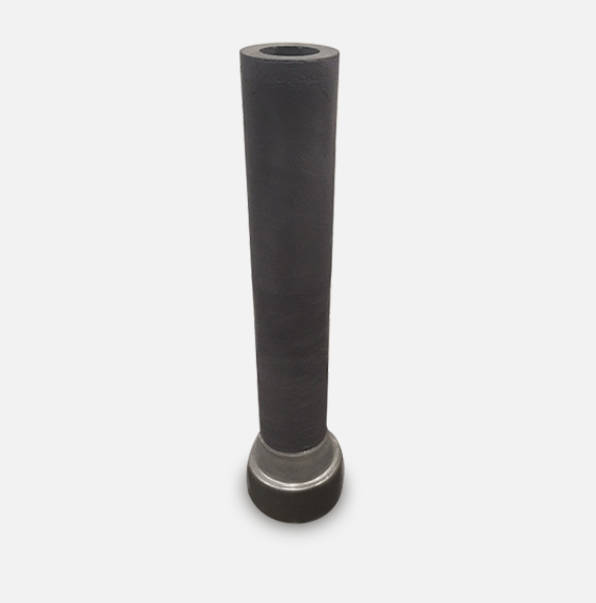
Tailored solutions for steel mills, covering different steel grades and smelting processes, ensuring optimal performance.
We specialize in high-quality refractory products designed to support demanding steel casting processes. Our graphite-alumina ladle shrouds are crafted to provide reliability, efficiency, and durability, backed by our dedication to quality and innovation in the casting industry. Reach out today and learn how we can support your steel production operations with advanced ladle shroud solutions.
. Tundish Metering Nozzle&Zirconia Inserts
What Is The Composition Of Sub Entry Nozzle(SEN)
Ladle Shroud Gasket – Material, Function, Shape & Installation Guide
How to Use the Ladle Shroud Manipulator in Continuous Casting Operations
Operation procedure of dry material for induction furnace
Drawing design method and skill of ladle slide gate plate
slide gate plate test report In AK Middletown 225-ton ladle
Recycling slide gate plates to save costs and reduce waste
The top 5 ladle shroud manufacturers in China
The difference between magnesia carbon brick and aluminum magnesia carbon brick
Production and application of isostatically pressed refractory materials
New generation ladle slide gate system for performance improvement
Thermal Stress Cracking Of Ladle Slide Gate Plate
The Unseen Champion Of Continuous Steel Casting-Slide Gate
5 Key Factors Behind Ladle Shroud Cracking
How To Choose Ladle Shroud From A China Factory
A Few Things You Should Know About The Ladle Nozzle
Wear Reason About The Slide Gate Plate
Before Enquiry Some Questions You Should Know About Ladle Shroud - Henan Yangyu Refractories Co.,Ltd
The Iso Refractory Trial Report Compared With Vesuvius
The drawing regarding kinds of slide gate plate
Slide Gate Plate Price Guide 2025: Complete Pricing Analysis and Buying Tips
Complete Guide to Submerged Entry Nozzle (SEN) in Steel Making
What Is A Ladle Shroud And Its Function - Henan Yangyu Refractories Co.,Ltd
How To Improve The Lifespan Of Slide Gate Plates
The Reason Of Sub Entry Nozzle Clogging And How To Slove It
Why The Tundish Stopper Cracks And How To Improve It
How To Avoid The Sub Entry Nozzle(SEN) Clogging